
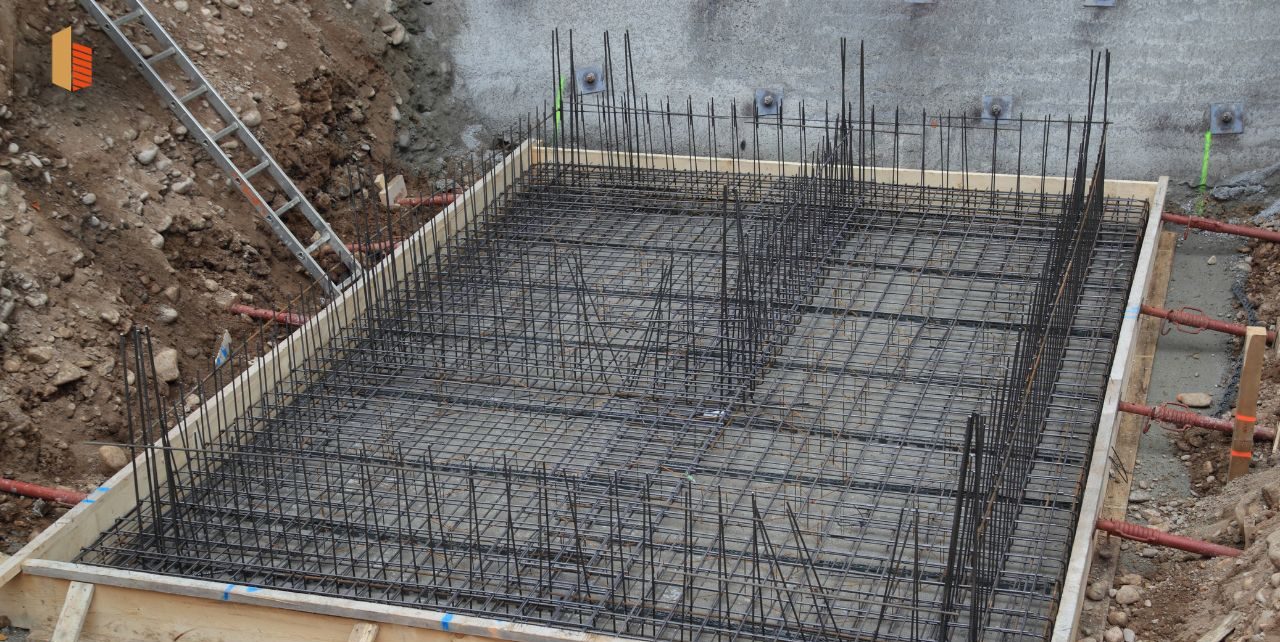
RCC (Reinforced Cement Concrete) construction uses steel-reinforced cement to build strong and long-lasting structures. It’s commonly used for slabs, beams, columns, and foundations due to its durability and load-bearing strength.
In simple terms, RCC construction is the foundation of modern buildings. It combines cement and steel to make structures stronger and crack-resistant.
From small homes to massive skyscrapers, one thing remains constant — the need for structural strength. That’s where RCC construction comes in. RCC stands for Reinforced Cement Concrete, a mixture of cement, aggregates, and water, strengthened with steel reinforcement bars (rebars). It combines the compressive strength of concrete with the tensile strength of steel, making it ideal for building foundations, slabs, beams, columns, and more.
If you’re planning to build a house, shop, or even a boundary wall in 2025, understanding RCC isn’t optional — it’s essential. Whether you’re working with a mason or a contractor, knowing the process and cost factors of RCC construction will help you make better decisions and avoid unnecessary expenses. Let’s decode RCC in simple steps — with real insights into material, labour, cost, and execution.
What is RCC Construction?
RCC (Reinforced Cement Concrete) is a composite material that merges concrete and steel. Concrete handles compressive strength (like downward force), while steel handles tensile strength (like bending or pulling).
In simple terms, RCC construction is the foundation of modern buildings. It combines cement and steel to make structures stronger and crack-resistant.
This makes RCC ideal for structural parts like:
- Roof slabs
- Pillars and columns
- Beams and lintels
- Foundations
- Retaining walls
- Staircases
RCC is essential for long-lasting and earthquake-resistant buildings.
Benefits of RCC Construction
- Strength & Stability: Perfect for multi-floor and load-bearing structures
- Fire Resistant: Concrete provides natural fire resistance
- Durability: With proper curing, it lasts 50–100+ years
- Versatile: Usable in residential, commercial, and infrastructure projects
- Available Materials: Easily sourced materials throughout India
Common Challenges in RCC Construction
- Incorrect Ratios: Using the wrong cement:sand:aggregate mix weakens the structure
- Poor Bar Bending: Wrong rebar placement leads to cracks
- Lack of Curing: Without proper water curing, concrete doesn’t reach full strength
- Labour Mismanagement: Unskilled masons can waste materials or compromise safety
- Delayed Work: Improper planning delays slab casting and next phases
Step-by-Step Guide to RCC Construction (2025)
- Design & Planning
Get architectural + structural drawings approved - Material Procurement
Cement, sand, aggregates, steel rods, binding wires, shuttering material - Shuttering & Centering
Create moulds using plywood or steel plates for columns/beams/slabs - Bar Bending & Placement
Place rebar cages as per structural plan — ensure cover blocks - Mixing & Pouring Concrete
Use mixer machine or RMC; maintain correct mix ratios - Compaction
Use needle vibrator to remove air bubbles and strengthen bonding - Leveling & Finishing
Level surface before concrete sets; smoothen edges - Curing
Keep surface wet for 7–28 days using gunny bags, ponding, or sprinkling
RCC Construction Cost Insights (2025 – India)
| Item | Approx. Rate |
|---|---|
| Cement | ₹370–₹450 per bag |
| Steel Bars (Fe 500) | ₹55–₹65 per kg |
| Sand | ₹30–₹55 per cft |
| Aggregate | ₹25–₹45 per cft |
| Labour | ₹400–₹550 per day |
| Total RCC Cost | ₹1,900–₹2,500/m³ (material + labour combined) |
Cost varies by location, quantity, and quality. Always take a site estimate.
Still unsure about RCC for your house or project?
You’re not alone — many people get confused about mix ratios, labour charges, or material brands. Let’s clarify your doubts…
FAQs
Commonly M15 (1:2:4) for minor work and M20 (1:1.5:3) for slabs/beams.
No, not by default. Use waterproofing agents or coatings post-casting.
Conclusion
Whether you’re building your dream home or a commercial site, RCC construction forms the foundation of safety and strength. Understanding its process helps you avoid costly mistakes and make smarter decisions. Use the right materials, hire skilled workers, and never skip curing — because your structure is only as strong as your RCC.


 in India© 2025 Suresh Contractor. All Rights Reserved. | Powered by